Sorry, but the requested resource was not found on this site.

Can casinos really influence your behavior?
La disparidad sobre juegos seri�a tremendo y la clase de el transmision en preparado seri�a excepcional
September 1, 2026El bono de admision en la actualidad no hay la en caso de que experimentas empezando desde Portugal
September 1, 2026
The Psychological Design of Casinos
Casinos are meticulously designed environments that aim to influence visitor behavior in numerous ways. From the moment a person walks through the doors, various aspects such as lighting, sound, and layout come into play. The bright lights and cheerful sounds of slot machines are designed to create a stimulating atmosphere, often enticing players to spend more time and money than they initially intended. Furthermore, many players find that utilizing betting apps australia enhances their experience, allowing them to seamlessly place bets while enjoying the action. The strategic placement of games encourages exploration, drawing individuals further into the complex, while the absence of clocks and windows creates a sense of timelessness, making it easy to lose track of time.
Moreover, the layout of a casino is not by chance; it is a carefully curated experience meant to encourage spending. Games are often placed in such a way that players can easily see and hear the action, triggering a desire to join in. The proximity of high-stakes games to more approachable options attracts a wider audience, as novices often feel compelled to try their luck after witnessing big wins. This physical arrangement amplifies the excitement and may lead individuals to make impulsive decisions.
Furthermore, casinos employ a variety of sensory stimuli to enhance the gaming experience. The aroma of complimentary drinks and gourmet foods wafts through the air, creating a more inviting atmosphere. This sensory engagement can create a sense of comfort and belonging, further encouraging patrons to stay longer and spend more. The intricate relationship between design elements and player behavior highlights how casinos manipulate environment to affect decision-making and ultimately influence behavior.
Behavioral Economics in Gambling
Behavioral economics plays a significant role in understanding how casinos can influence player behavior. Principles such as loss aversion and the theory of bounded rationality are often at work in gambling scenarios. Loss aversion refers to the psychological tendency to prefer avoiding losses rather than acquiring equivalent gains. This means that when players incur losses, they may feel compelled to keep playing in an attempt to recover their losses, disregarding logical reasoning. Casinos are aware of this phenomenon and craft their games to exploit these emotional reactions.
Another concept that resonates with gambling behavior is the idea of ‘near misses.’ When a player almost wins—such as landing on two out of three matching symbols—they experience a thrill that can lead to increased play. Casinos leverage this by designing games that provide frequent small wins or the illusion of winning, which can spur continued gambling. This emotional high can trigger a player’s desire to keep playing, despite the odds being stacked against them.

Additionally, the phenomenon of variable rewards, akin to a slot machine’s payout schedule, plays a significant role in influencing behavior. When outcomes are unpredictable, individuals are often more likely to engage in the behavior, hoping for that elusive win. This randomness can make the experience more thrilling and addictive, as players find themselves continually chasing that next big payout—regardless of the total losses incurred along the way. Understanding these behavioral economic principles can shed light on why casinos are so effective at drawing in players and keeping them engaged.
The Impact of Social Interactions
Social interactions within a casino setting can profoundly sway behavior. Gambling is often perceived as a communal activity, and the presence of other players can impact individual decisions. For instance, witnessing others win can create a collective excitement, encouraging individuals to engage in similar behaviors and take risks. This social proof can make even hesitant gamblers more likely to participate, as they want to be part of the fun and energy of the environment.
Moreover, the camaraderie that develops in a casino can heighten the enjoyment of gambling. Many players come to casinos not just to gamble but also to socialize with friends or meet new people. This social aspect can lead to longer gambling sessions, as the enjoyment derived from interaction may outweigh concerns about losses. The bonding that occurs in these environments can alter decision-making processes, leading individuals to take more risks than they otherwise would outside of a social context.
Additionally, casinos often host special events and tournaments that enhance social engagement. These events can create a sense of community and competition, pushing individuals to stay longer and engage more intensely. The thrill of competing against friends or strangers can encourage reckless play and further solidify the bond between social interaction and gambling behavior. The social dynamics of a casino illustrate how interactions can significantly influence individual choices and spending patterns.
The Role of Marketing and Promotions
Marketing strategies employed by casinos are integral to influencing player behavior. Promotions, complimentary services, and loyalty programs are crafted to entice potential and returning guests. For instance, free play credits or dining offers are commonly used to reward frequent visitors, making them more likely to return. Such incentives can create a feeling of loyalty and attachment, motivating individuals to continue spending money to maintain their status or benefits.
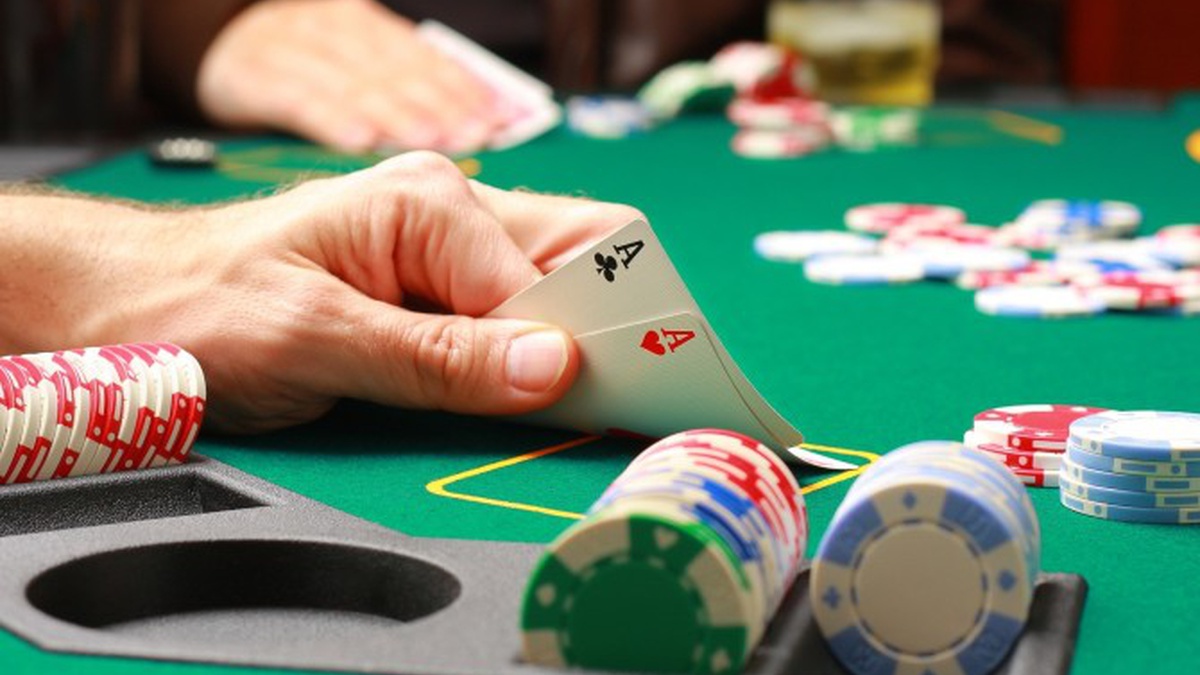
Furthermore, targeted advertising can shape perceptions and expectations. By highlighting winners and lavish lifestyles associated with their venues, casinos create an aspirational narrative that can compel individuals to visit. This psychological tactic plays on the hopes and desires of potential players, suggesting that they too can achieve similar success. As a result, the allure of big wins can become a powerful motivator for behavior, leading individuals to ignore the inherent risks of gambling.
The integration of technology has also transformed casino marketing. Personalized offers based on a player’s history can be delivered through mobile apps or loyalty cards, ensuring customers feel valued. This tailored approach enhances the connection between the player and the establishment, increasing the likelihood of extended play. In this way, marketing and promotional tactics are not just tools for attracting clients; they play an essential role in molding gambling behavior and establishing a continuous cycle of engagement.
Understanding the Influence of Casinos
The influence of casinos on behavior is multifaceted, encompassing psychological manipulation, economic principles, social dynamics, and strategic marketing. Each element works in concert to create an environment where impulsivity can thrive, often leading individuals to make decisions contrary to their best interests. Recognizing these influences is crucial for responsible gaming practices and for maintaining self-awareness in the face of potential addiction.
By understanding how casinos can shape behavior, individuals can better approach gambling with a critical perspective. Being aware of the psychological tactics and social cues can help players set boundaries and make informed decisions. The knowledge of how variability, loss aversion, and social engagement can affect gameplay can empower individuals to enjoy gaming as a form of entertainment while minimizing the risks involved.
Ultimately, the relationship between casinos and behavior underscores the importance of awareness and education in responsible gambling. Armed with a deeper understanding of these influences, players can engage in gambling activities with a healthier mindset, prioritizing enjoyment over compulsion and ensuring that their experiences remain positive and controlled.
